Indigenous Protected Area Initiative | Seal River WatershedCreating the Seal River Watershed Indigenous Protected Area for future generations.
Big news!
The Alliance, Canada, and Manitoba announce major steps to protect the Seal River Watershed, including investments in a new conservation proposal.
Our cultures and languages are rooted in our relationship to the caribou and the land. Protecting the watershed means protecting the spirit of our people.
It also helps address climate change, sustain clean water, and conserve one of the biggest intact watersheds on the planet.
A Gift to the World
Our Elders call on us to protect these lands not just for our communities, but for all people.
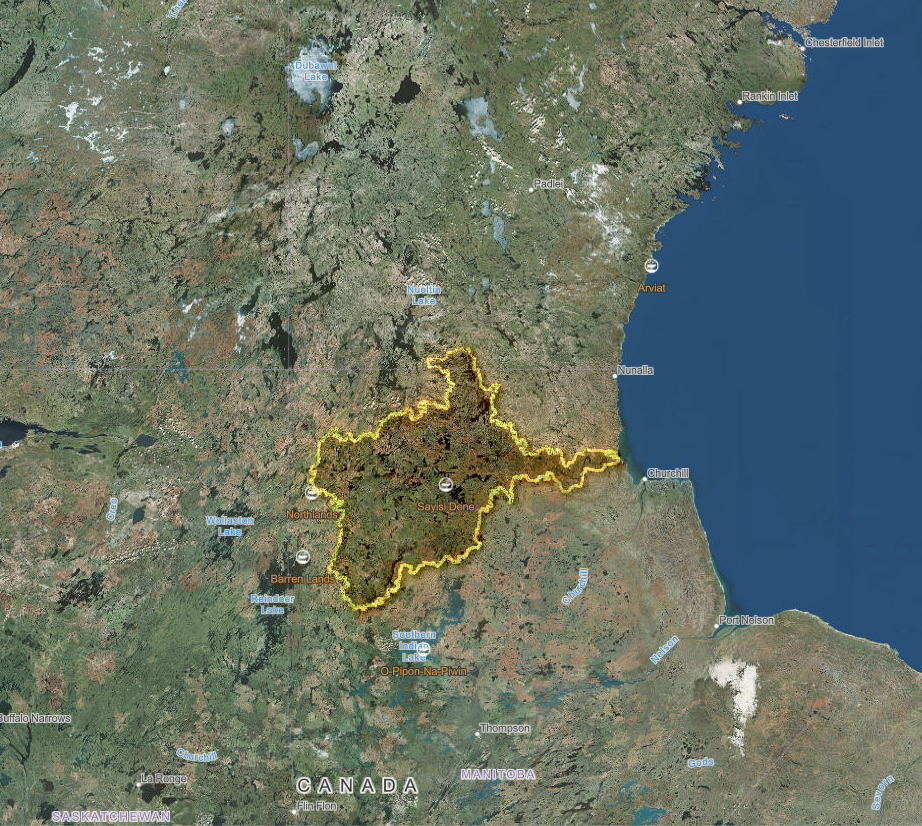
Spanning over 50,000 sq km, the Seal River is one of the largest intact watersheds left on the planet.
It sustains over 30 species at risk, including nearly 200,000 caribou.
It holds 1.7 billion tonnes of carbon in its soils, wetlands, and peatlands—equivalent to 8 years’ worth of greenhouse gas emissions from Canada.
It offers world-class birding, fishing, hunting, and the opportunity to paddle the largest undammed river in Manitoba.
Protecting the watershed will expand tourism, create stewardship jobs, and attract investment in the regional economy.
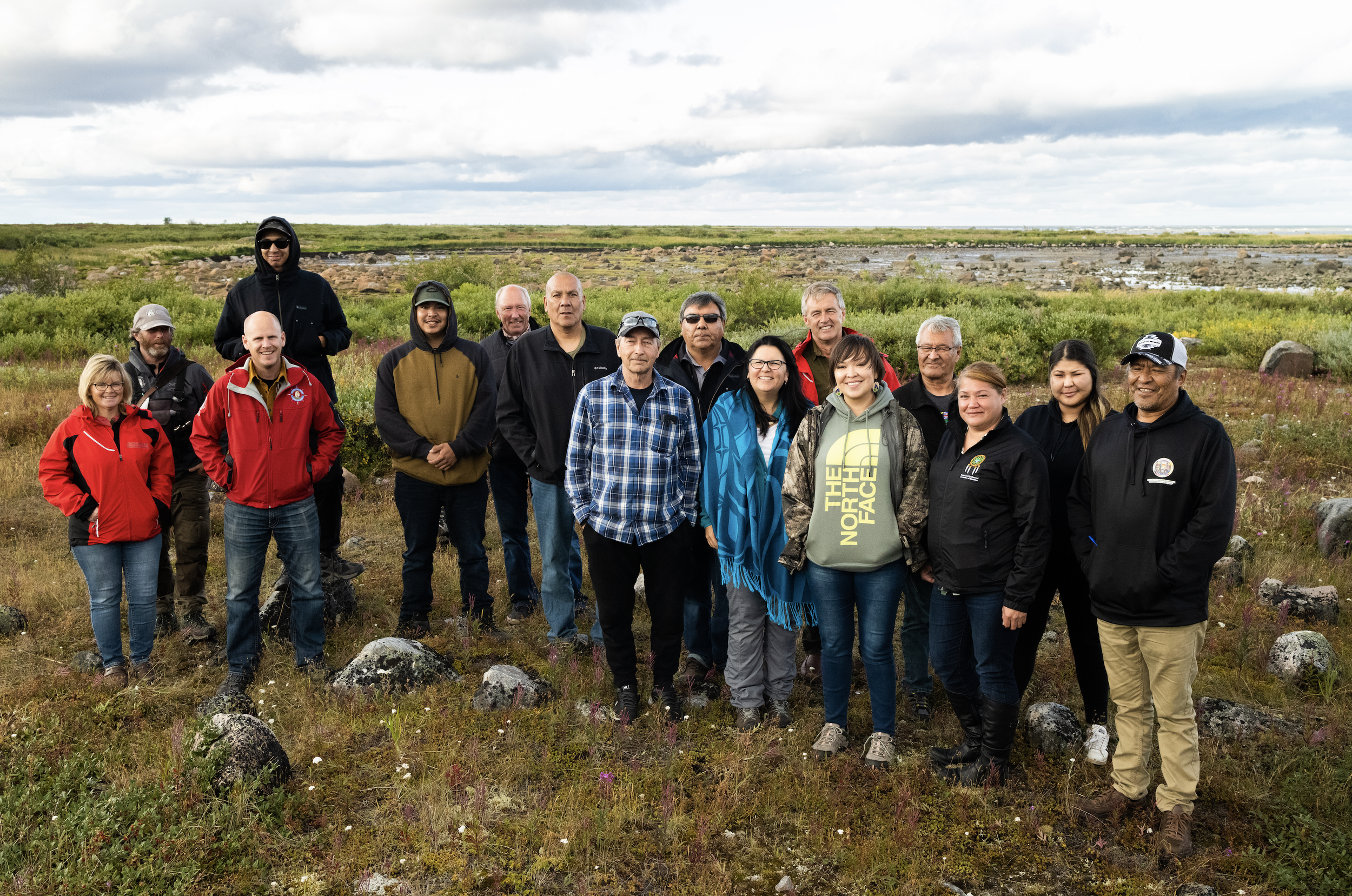
Dene and Cree Peoples are working to protect the Seal River Watershed for the future.


“The best part of life is being on the land and the water with our children and watching our grandchildren being able to see the beauty of our world.”
SANDY TRAVERSE O-PIPON-NA-PIWIN CREE NATION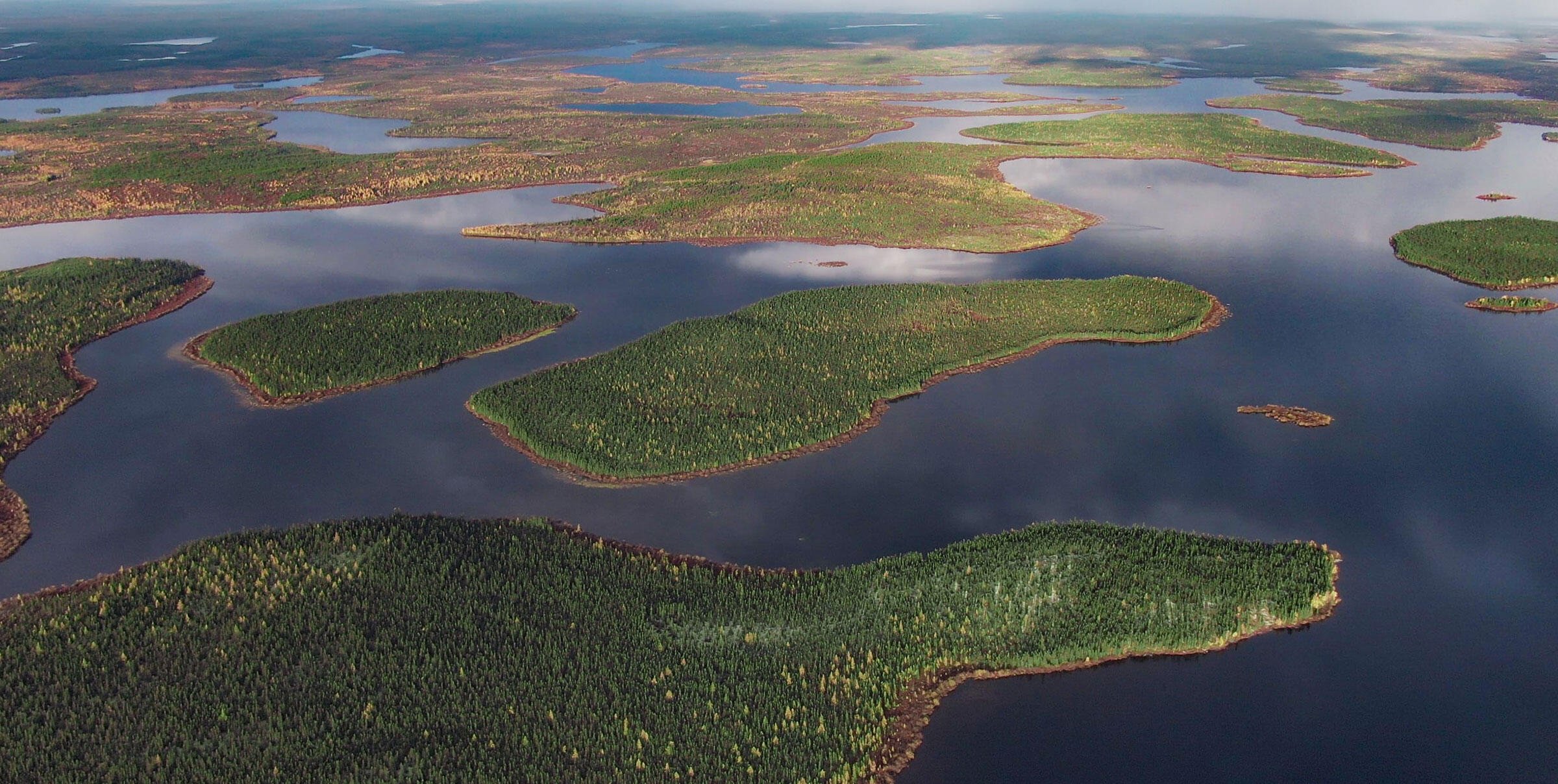
Our Goal
Permanently protect the Seal River Watershed from industrial development as an Indigenous Protected Area.
We envision a pristine watershed where people, animals and fish are healthy, our unique languages and cultures are thriving, and there is hope and abundance for all future generations.
Cooperative Relationship
Seal River Watershed & Ancestral Lands Protected Area
-
Sayisi Dene First Nation
The Sayisi Dene First Nation is based in Tadoule Lake. They have lived in the Seal River Watershed since time immemorial.
-
Northlands Dene Nation
Northlands Denesuline First Nation, based in Lac Brochet known as Dahlu T’ua in Dene, is the northernmost First Nation in Manitoba.
-

Barren Lands First Nation
Barren Lands First Nation is based on the north shore of Reindeer Lake, where many community members live in Brochet.
-

O-Pipon-Na-Piwin Cree Nation
O-Pipon-Na-Piwin Cree Nation is located along South Indian Lake in the heart of the boreal forest, where Cree sites date back 6,500 years.
Seal River Watershed IPA Initiative

VIDEO